Ledger.com/Start – A Full 1200-Word Beginner Guide
Ledger.com/start is the official starting point for setting up a Ledger hardware wallet and accessing the tools needed to keep digital assets secure. Whether someone is unpacking a new device or simply wants to learn how the Ledger ecosystem works, the setup process begins with understanding what the hardware wallet does and how Ledger’s software tools fit into the overall experience. This guide explains every important aspect of getting started, from connecting the device to exploring the features available through Ledger’s companion application.
Understanding Ledger Hardware Wallets
Ledger hardware wallets are physical devices created to protect private keys—unique codes required to access and control digital assets. Instead of storing these keys on an online service or a phone, a hardware wallet keeps them inside the device, isolated from internet exposure. This separation is what gives Ledger wallets their level of security. Even if someone uses a computer that isn’t fully protected, their private keys remain safe inside the hardware device.
Ledger’s devices use secure chips, PIN protection, and physical confirmation buttons to prevent unauthorized access. When users open the box and visit ledger.com/start, they begin a guided process that teaches them how to safely activate the device and understand its core functions.
What Happens at Ledger.com/Start
The purpose of the start page is to provide an easy, step-by-step onboarding route. It guides new users through:
Setting up the hardware wallet
Creating or restoring a recovery phrase
Installing Ledger Live, the companion application
Learning how to manage digital assets securely
The page serves as a centralized checklist so users don’t miss important instructions, especially those relating to security.
Unboxing and Device Inspection
When someone unboxes their Ledger device, the first step is to inspect it. Ledger hardware wallets come sealed and should not arrive pre-configured. Ledger never records or provides recovery phrases, PINs, or passwords. This is one of the first things explained at ledger.com/start so users know what to expect.
The guide reminds users that no third party should ever ask for their recovery phrase. This is a crucial part of digital-asset safety. The phrase belongs strictly to the device owner and must never be typed on websites, sent to strangers, or shared with anyone.
Setting Up a New Device
After unboxing, the next step is powering on the device and creating a PIN. The PIN protects the device if it is lost or stolen. Ledger.com/start explains how to choose a secure PIN and how to use the buttons on the hardware wallet to navigate menus.
Once the PIN is created, the device generates a recovery phrase. This phrase, usually made up of twenty-four words, allows the user to restore access to their wallet if the device is damaged or replaced. The start page educates users on how to write this phrase down safely, how to store it offline, and why it must never be shared.
The recovery phrase is the most important piece of information in the entire setup process. It is the single backup key to all digital assets stored on the wallet. Ledger.com/start teaches users how to verify each word on the device so they know it was recorded correctly.
Restoring an Existing Wallet
Some users may already have a recovery phrase from another Ledger device or from migrating a wallet. Ledger.com/start includes instructions on restoring access by entering the recovery phrase directly on the hardware device. This process re-creates the same accounts and private keys without needing the original device.
Restoration is done manually on the hardware wallet for security reasons. The phrase is never entered on a computer or phone. Ledger’s instructions emphasize this to prevent accidental exposure.
Installing Ledger Live
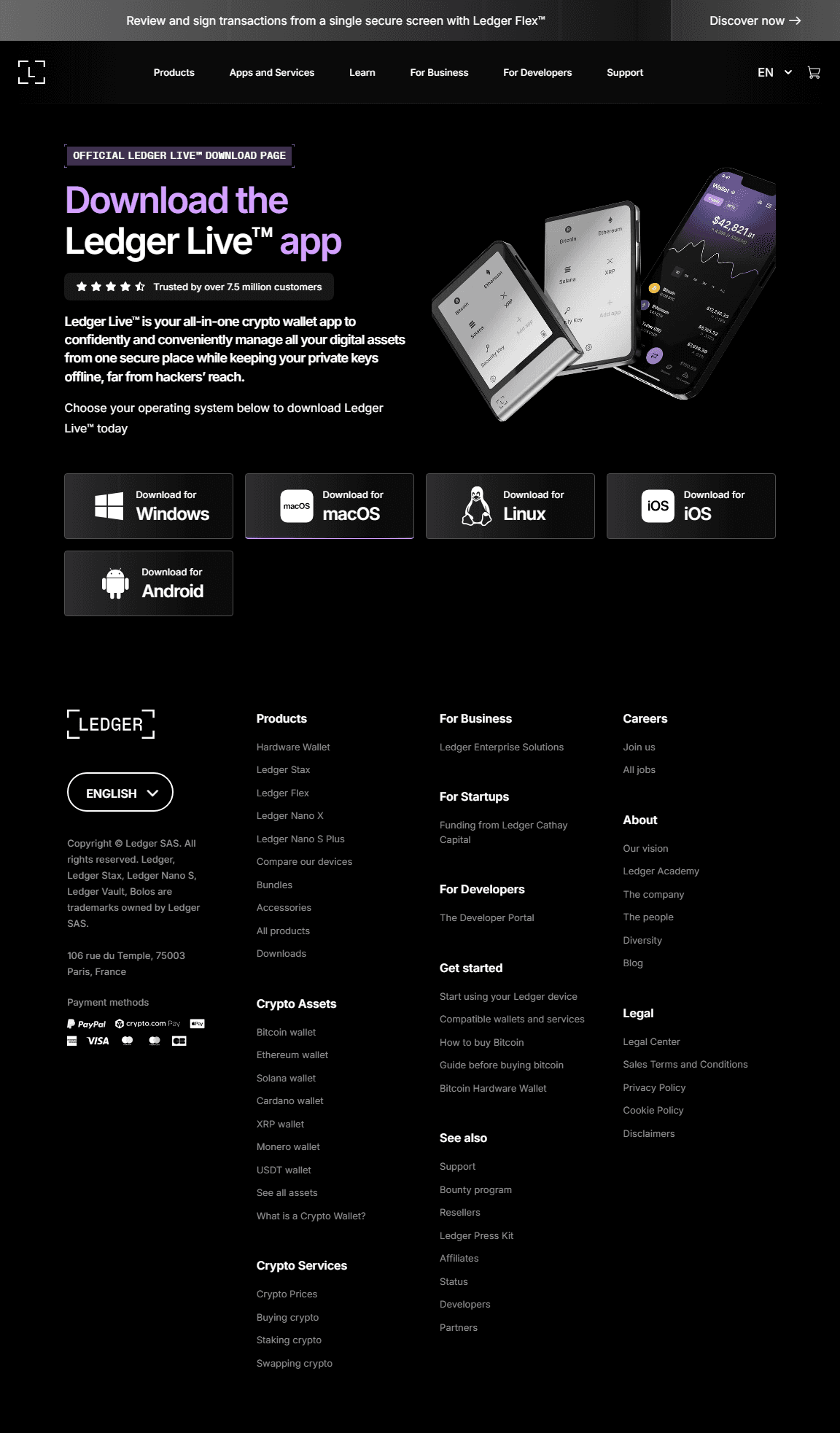
Once the hardware device is set up, the next step is to install Ledger Live, the companion application that allows device owners to manage their accounts. Although the hardware wallet secures the private keys, Ledger Live provides the interface needed to view balances, track portfolios, send and receive assets, install apps, and update the device.
Ledger.com/start directs users to download Ledger Live for their operating system. After installation, users connect the hardware wallet through USB and unlock it with their PIN. Ledger Live recognizes the device and begins pairing it with the application.
The setup checker inside Ledger Live helps confirm whether the device is genuine. This verification step ensures the user is using an authentic Ledger product and not a tampered device.
Adding Accounts and Managing Assets
Once Ledger Live is paired with the device, users can add accounts for different blockchain networks. Each network has its own rules and structure, so Ledger Live installs the necessary app for the device to communicate with that blockchain.
For example, adding a Bitcoin account requires installing the Bitcoin app on the device. Adding an Ethereum account requires the Ethereum app. Everything is done through Ledger Live’s Manager section, where users can install, update, or remove apps depending on their needs.
After adding accounts, Ledger Live displays balances, transaction history, and portfolio information. Users can also receive assets by generating an address and verifying it on their hardware wallet.
Sending Digital Assets
Sending assets through Ledger Live involves:
Opening the account
Entering the recipient’s address
Choosing the amount
Reviewing the transaction details
Confirming the action on the hardware device
The physical confirmation requirement is an important safety measure. Even if someone’s computer is unsafe, the transaction cannot be completed without pressing the device’s physical button, ensuring full user control.
Understanding the Role of Ledger Live
Ledger Live acts as the management interface but never stores private keys or recovery phrases. Those are locked inside the hardware wallet’s secure element. Ledger Live enables daily interaction with blockchain networks while maintaining security boundaries.
The app provides multiple features, such as:
Portfolio tracking
Market overviews
Staking for certain networks
Device updates
Network-specific tools
Ledger.com/start encourages users to explore Ledger Live’s features at their own pace, focusing first on understanding secure usage.
Keeping the Device Updated
Updates to the hardware wallet and apps inside the wallet are essential for maintaining compatibility with new networks and improving security. Ledger Live notifies users when updates are available.
Ledger.com/start explains how to safely update firmware by following on-screen instructions while ensuring the device remains connected. Updates do not affect the user’s assets because private keys stay tied to the recovery phrase.
Security Guidelines from Ledger.com/Start
The start page teaches several key rules to keep digital assets safe:
Never share the recovery phrase
Never enter the phrase on websites, emails, or messages
Always verify receiving addresses on the hardware device
Use a secure PIN
Keep the hardware wallet physically safe
Use official software and updates
Ledger emphasizes that digital-asset safety relies on following these guidelines consistently.
Troubleshooting and Support
Ledger.com/start offers guidance on common setup issues, such as connection problems, app-install errors, or device-recognition concerns. It also directs users to educational pages that explain blockchain basics, device handling, and best security practices.
If a device is lost or damaged, users can reinstall Ledger Live on a new computer and restore their wallet on a new hardware device using the recovery phrase. This approach ensures long-term access regardless of technical problems.
Why Ledger.com/Start Is Important
The start page organizes the entire onboarding experience in one place. It helps new users understand the role of the hardware wallet, how to install the companion software, and how to manage digital assets securely from day one. Because the world of digital finance can be confusing, Ledger designed this starting point to simplify the process without sacrificing safety.